Optimizing Software Quality: A Practical Guide to Effective Testing Strategies
Software testing, like any other aspect of software development, can present itself as either a daunting challenge or a manageable task, depending on one's level of experience and approach. As software testers, our ultimate goal is to ensure the quality of the software product. But how exactly do we approach testing, and how can we be certain that our efforts have indeed enhanced the quality of the software?
Let's delve into these questions and explore a practical approach to software testing.
Approaching Software Testing
As a software tester, my approach to testing revolves around understanding the software under test thoroughly and devising strategies to validate its functionality, performance, and usability. I begin by comprehensively analyzing the requirements and specifications provided, identifying testable features, and defining relevant test conditions. This initial phase sets the stage for the subsequent testing activities.
Ensuring Quality Through Testing
The ultimate measure of success in software testing lies in our ability to increase the quality of the software product. But how do we know if we've achieved this objective? One of the key indicators is the thoroughness and effectiveness of our testing process. By executing a well-planned series of tests, diligently monitoring progress, and consistently refining our approach based on feedback, we can gradually elevate the quality of the software.
The Testing Process
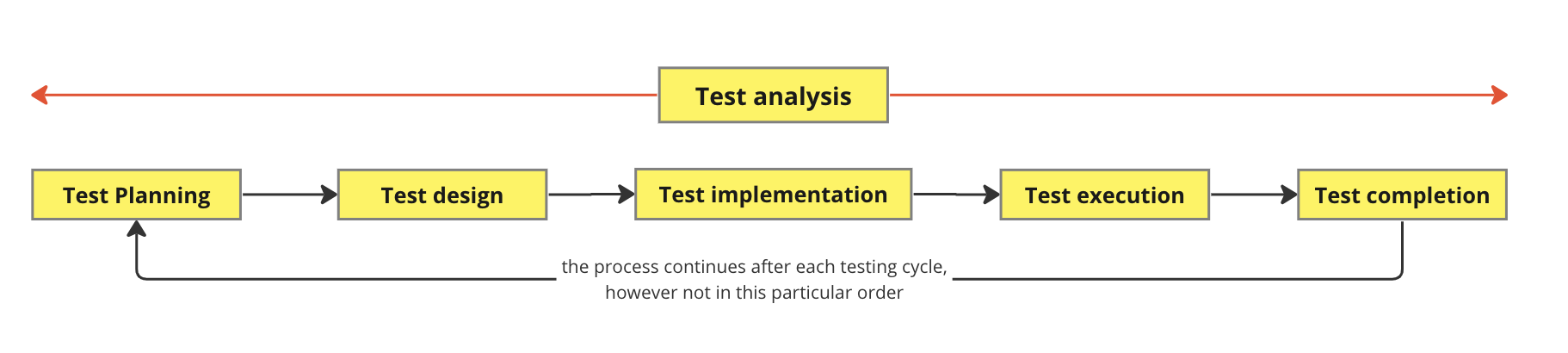
According to the ISTQB foundational syllabus, the testing process encompasses several essential activities:
- Test Planning: Defining the objectives of testing and outlining the approach for achieving them.
- Test Monitoring and Control: Continuously monitoring progress against the plan and taking necessary actions to ensure alignment with objectives.
- Test Analysis: Analyzing the test basis to identify testable features and define associated test conditions.
- Test Design: Formulating test cases and strategies for validating the functionality of the software.
- Test Implementation: Preparing the testing environment and test data, ensuring readiness for execution.
- Test Execution: Running test suites according to the predefined schedule and documenting results.
- Test Completion: Collecting data from completed test activities, consolidating experience, and gathering relevant information for future iterations.
Practical Application
In my six years of experience as a software tester, I have found myself adhering to this testing process, albeit with a degree of flexibility tailored to the specific needs of each project. While working within a company, we typically operate within a predefined test plan, following a structured yet adaptable approach to testing. The main phases of analysis, design, execution, and completion serve as the backbone of our testing endeavors, guiding us towards our ultimate goal of enhancing software quality.
Software testing is not just a series of tasks to be completed but a journey towards ensuring the reliability, functionality, and usability of the software product. By adopting a practical approach rooted in thorough analysis, strategic design, diligent execution, and continuous improvement, we can navigate this journey with confidence and contribute to the delivery of high-quality software solutions.